
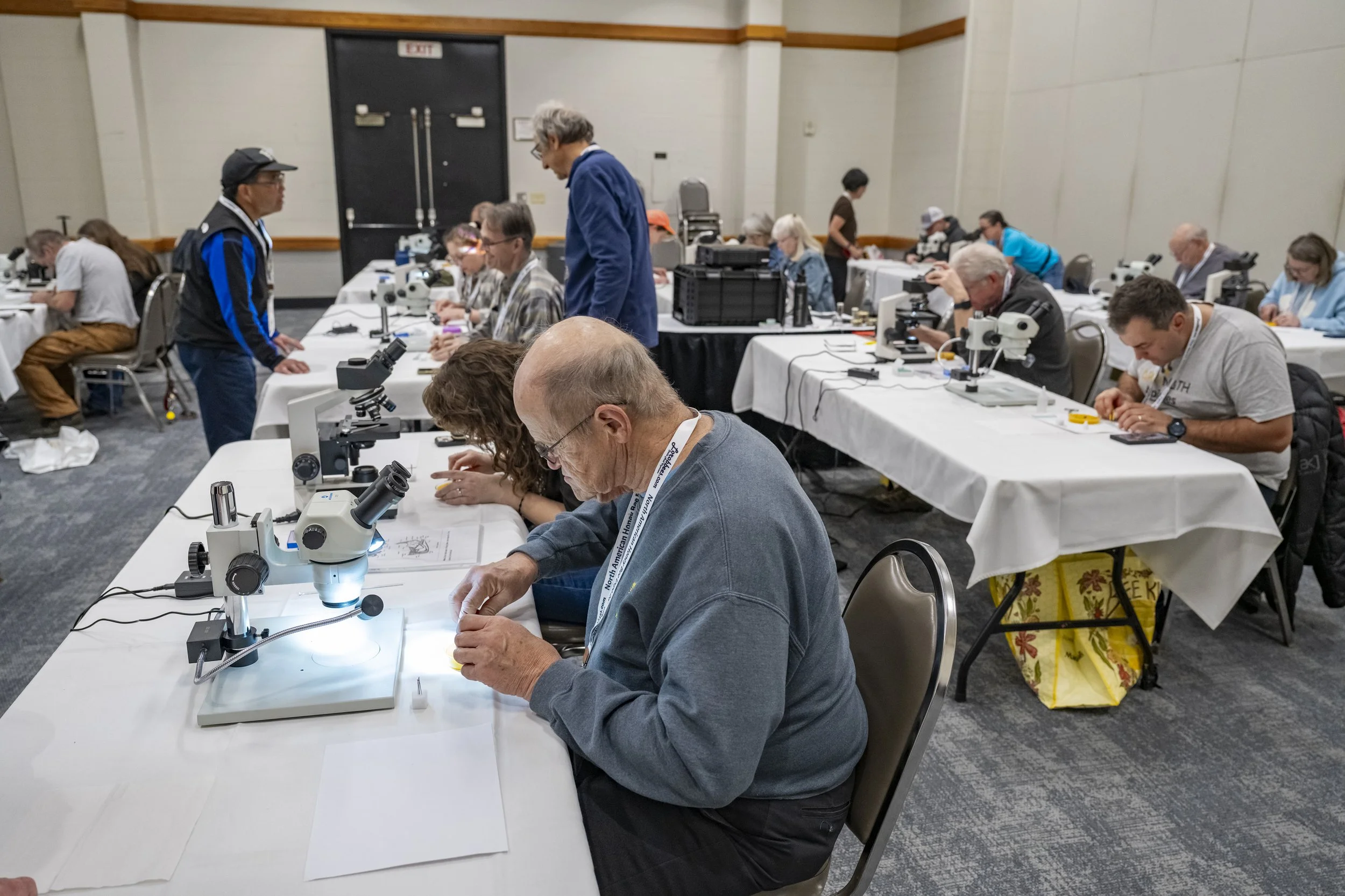
Microscopy Workshops
Discover the fascinating science behind honey bees with our hands-on Microscopy Workshops! These interactive sessions offer beekeepers of all experience levels the opportunity to look beyond the hive and explore the intricate details of honey bee biology, anatomy, pests, and diseases. From introductory dissection techniques to advanced diagnostics, you'll gain valuable knowledge and practical skills you can apply directly to your own apiary. Learn how to identify common honey bee pests, recognize signs of disease, compare reproductive biology, and better understand the organisms and processes that influence colony health. You'll also have the opportunity to explore the science of honey through hands-on analysis and discover details that are often invisible to the naked eye. Whether you're new to microscopy or ready to expand your diagnostic expertise, these workshops offer a unique opportunity to learn, investigate, and see beekeeping from an entirely new perspective!
8 Different Topics, 14 Total Classes
Introduction to Honey Bee Dissection - Cara Ching
Thursday(1/7) - 4pm-6pm, Friday(1/8) - 2pm-4pm
This hands-on honey bee dissection workshop provides participants with an exploration of honey bee anatomy through guided learning. Participants will examine the external and internal anatomy of worker bees and drones with guidance from Cara, along with learning how to use a compound microscope and a dissecting microscope. The workshop will also include a collaborative dissection of a mated queen, allowing participants to examine queen anatomy and reproductive structures in greater detail. Throughout the session, participants will be guided through key anatomical features, with opportunities to ask questions. Designed for participants with an interest in honey bee biology, anatomy, and beekeeping.
Bee Bodies and Bottom Boards: Hands-On Microscopy and Diagnostics for Beginners - Kim Skyrm
Friday(1/8) - 4pm-6pm, Saturday(1/9) - 2pm-4pm
In this hands-on lab, you will use stereo and compound microscopes to evaluate apiary health from the inside out. You will start with an up-close view of honey bee anatomy to identify critical physical structures and check for external parasites. Then, you will take a top-down look at the typical hive debris that falls through the cracks to lurk on your bottom boards. Time permitting, participants will also practice simple slide preparation techniques to analyze hive waste for seasonal forage tracking and hidden colony diseases.
Honey Bee Pest Identification and Disease Diagnosis - Jennifer Lund
Friday(1/8) - 12pm-2pm, Saturday(1/9) - 4pm-6pm
In this workshop we will be investigating common (and some uncommon) honey bee pests and diseases including Varroa, Vairimorpha (Nosema), small hive beetle, tracheal mite, chalkbrood and many more!
Bee Biology Unlocked - CiCi Sweeny
Thursday(1/7) - 12pm-2pm
This hands-on workshop is intended for those who are new to insect anatomy and microscopes. Through a general overview of the honey bee from proboscis to stinger, attendees will learn basic bee anatomy with handheld closeup views and guided dissections. Attendees are invited to bring their own bottom board debris and bees (ideally frozen alive and kept cool during travel to avoid decomposition).
Deep Dissection & Diagnostics - CiCi Sweeny
Friday(1/8) - 8am-10am, Saturday(1/9) - 10a-12pm
This hands-on workshop takes a closer look at internal systems, glands, and diagnostic techniques, recommended for those who understand basic bee anatomy. Attendees will practice multiple dissection techniques to extract the digestive tract and expose internal organs, and will compare the head and wax glands between differently aged workers. Microscopy detection of pests and pathogens will be covered, and attendees are invited to bring a 20-bee sample for Nosema detection and other specimens to examine (frozen and kept cool during travel to avoid decomposition).
Reproductive Comparisons - CiCi Sweeny
Friday(1/8) - 10am-12pm, Saturday(1/9) - 8am-10am
This hands-on workshop focuses on the reproductive anatomy of honey bees across developmental stages, recommended for those who already understand basic bee anatomy. Attendees will perform dissections on drones across larval, newly emerged, and mature stages, examining this often-ignored but critical caste. Attendees will follow clear instructions on how to isolate a mated queen's spermatheca and ovaries, with an overview of the egg-laying process. Attendees are also invited to bring their own drone, queen, or worker specimens (ideally frozen alive and kept cold during travel to avoid decomposition).
Unlocking the Secrets of Honey: A Hands-On Analysis - Ferhat Ozturk
Thursday(1/7) - 2pm-4pm
Join us for an interactive, hands-on exploration of honey quality and composition. In this workshop, participants will learn the fundamental techniques for analyzing honey, including measuring pH, moisture content, and electrical conductivity (EC). We will also demonstrate how to test for antibacterial properties using the zone of inhibition method. Participants are encouraged to bring their own honey samples to analyze during the session. This workshop provides a practical, scientific look at honey analysis, offering valuable skills for beekeepers and honey enthusiasts alike to better understand the unique characteristics of their own harvests.
A Closeup Look at Honey Bee Pests - Robyn Underwood
Thursday(1/7) - 10am-12pm, Saturday(1/9) - 12pm-2pm
This hands-on workshop will be a closeup look at honey bee pests and parasites. Use a microscope to view varroa mites, Tropilaelaps mites, small hive beetle larvae, wax moth larvae, nosema spores, AFB scales, and more. Get to know your enemies so you can better prevent and control them. No experience with microscopes necessary.
Workshop Staff
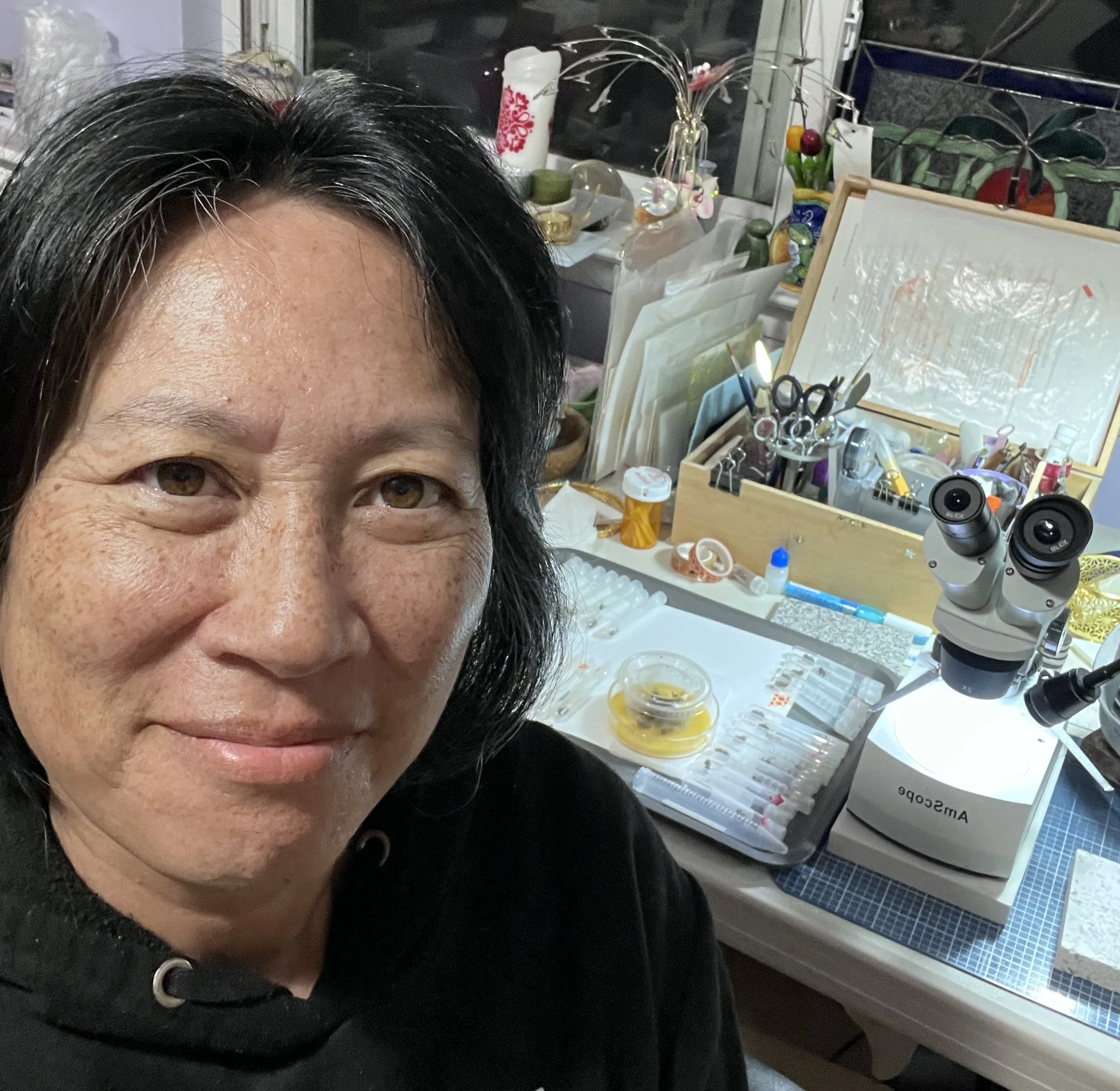
Cara Ching
Director and Co-Manager for SF Bee-CauseCara Ching is the Director and Co-Manager for SF Bee-Cause, a volunteer-run, two-year beekeeping apprenticeship program in San Francisco. She also serves as a Board Member, Volunteer Coordinator, and Educator for the San Francisco Beekeepers Association, where she supports community engagement and brings honey bee education and awareness to schools, libraries, and organizations in San Francisco.
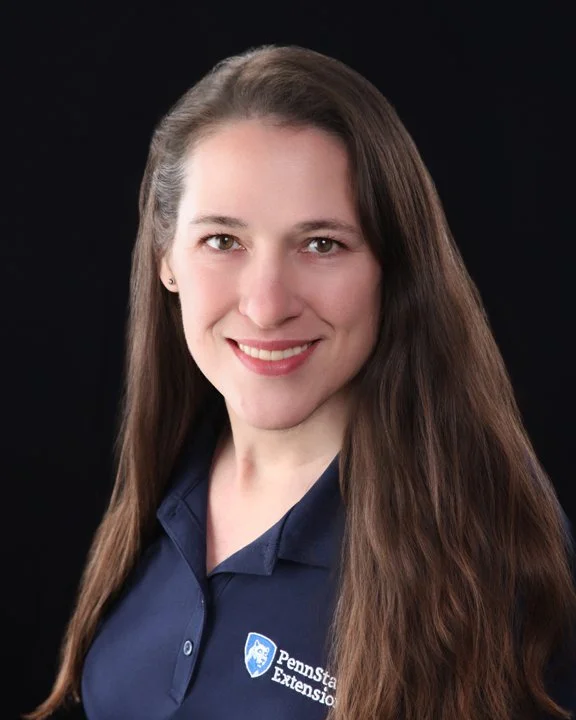
CiCi Sweeny
Apiculture Educational Specialist with Penn State Extension CiCi Sweeny is an Apiculture Educational Specialist with Penn State Extension and an EAS Master Beekeeper with over a decade managing a 40-colony apiary. She is dedicated to helping beekeepers succeed through clear, approachable, and evidence-based guidance. Known for her high-energy and practical, hands-on teaching style, she develops engaging educational programs centered on honey bee health and sustainable apiary management.
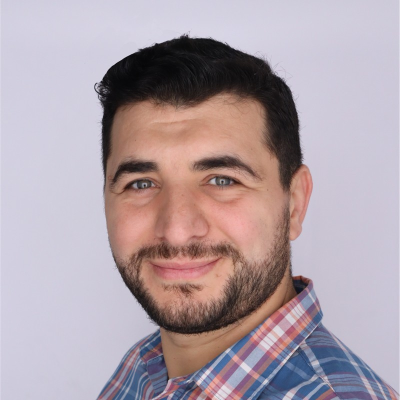
Ferhat Ozturk
Associate Professor of Biology at Sul Ross State University Dr. Ferhat Ozturk is an Associate Professor of Biology at Sul Ross State University in Eagle Pass, TX. An educator, researcher, and mentor, he specializes in the medicinal properties of honey and its applications in health and disease prevention. His research and outreach have been presented nationally and internationally, advancing both scientific knowledge and public awareness of honey’s therapeutic potential.
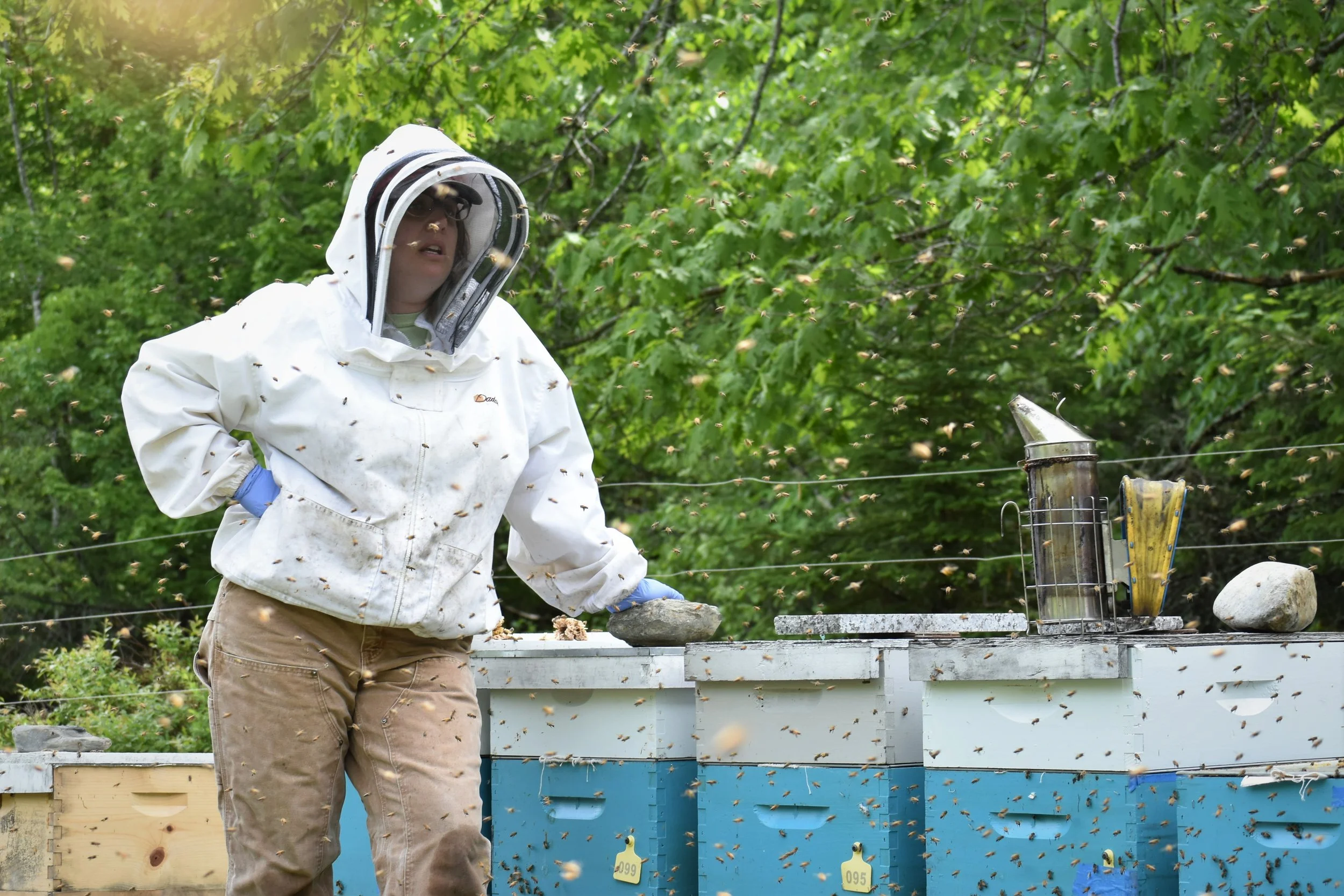
Jennifer Lund
State Apiarist with the Maine Department of AgricultureJennifer Lund is the State Apiarist with the Maine Department of Agriculture, Conservation, and Forestry. She received her Master’s degree in Entomology from the University of Maine and has over 25 years of entomological experience. Aside from managing the honeybee inspection program and helping Maine beekeepers, Jennifer has several of her own hives she maintains on her farm in Maine.
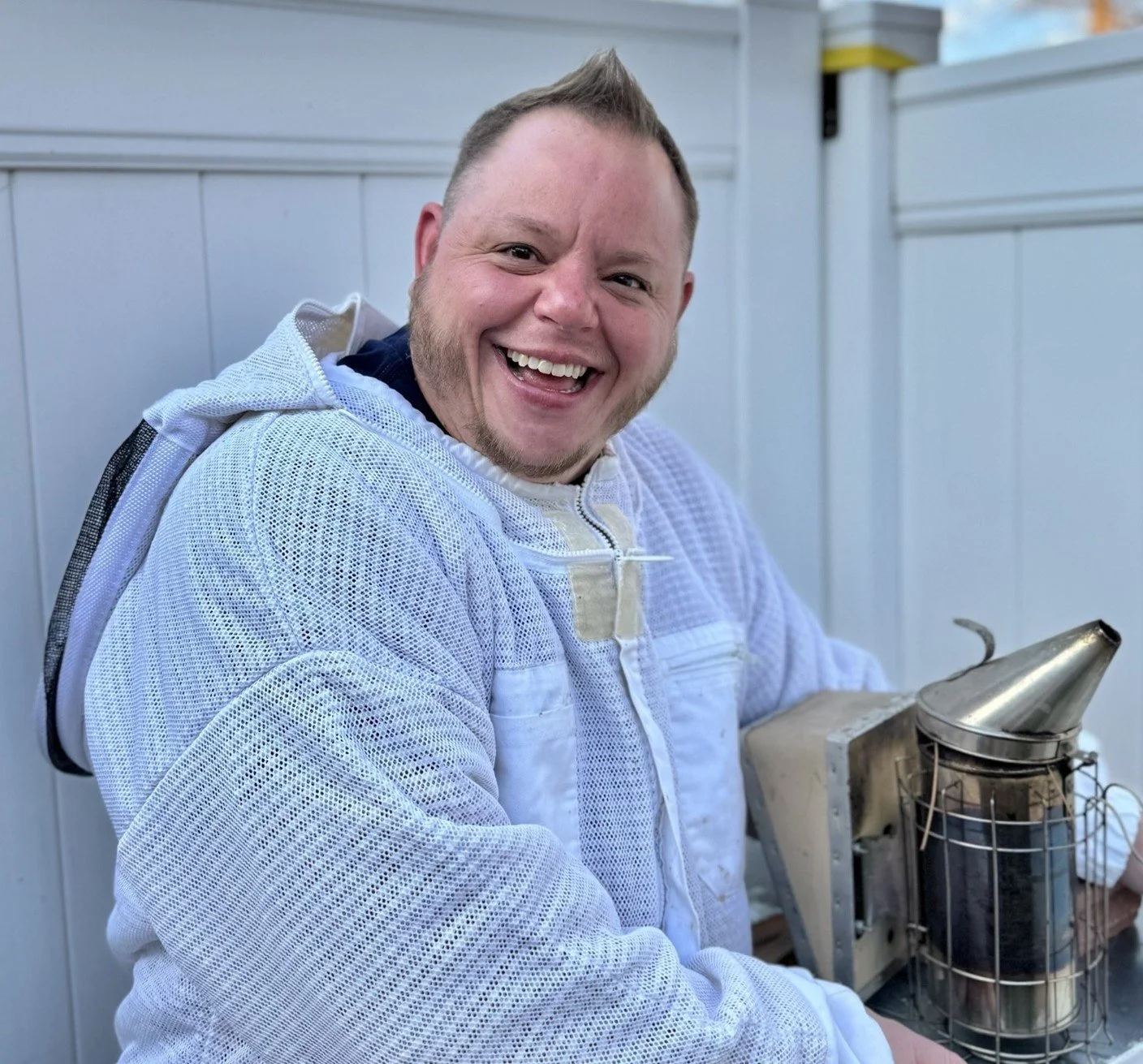
Kim Skyrm
Chief Apiary Inspector for the Massachusetts Department of Agricultural Resources Dr. Kim Skyrm is a leading voice in pollinator health, serving as Chief Apiary Inspector for the Massachusetts Department of Agricultural Resources and East Director for the Apiary Inspectors of America. A Ph.D. entomologist with 21 years of experience working with native and managed bees, conducting disease diagnostics, regulatory inspection, and conservation, Dr. Skyrm combines hands-on expertise with a passion for education, training and mentoring the next generation of beekeepers, scientists, and pollinator professionals.
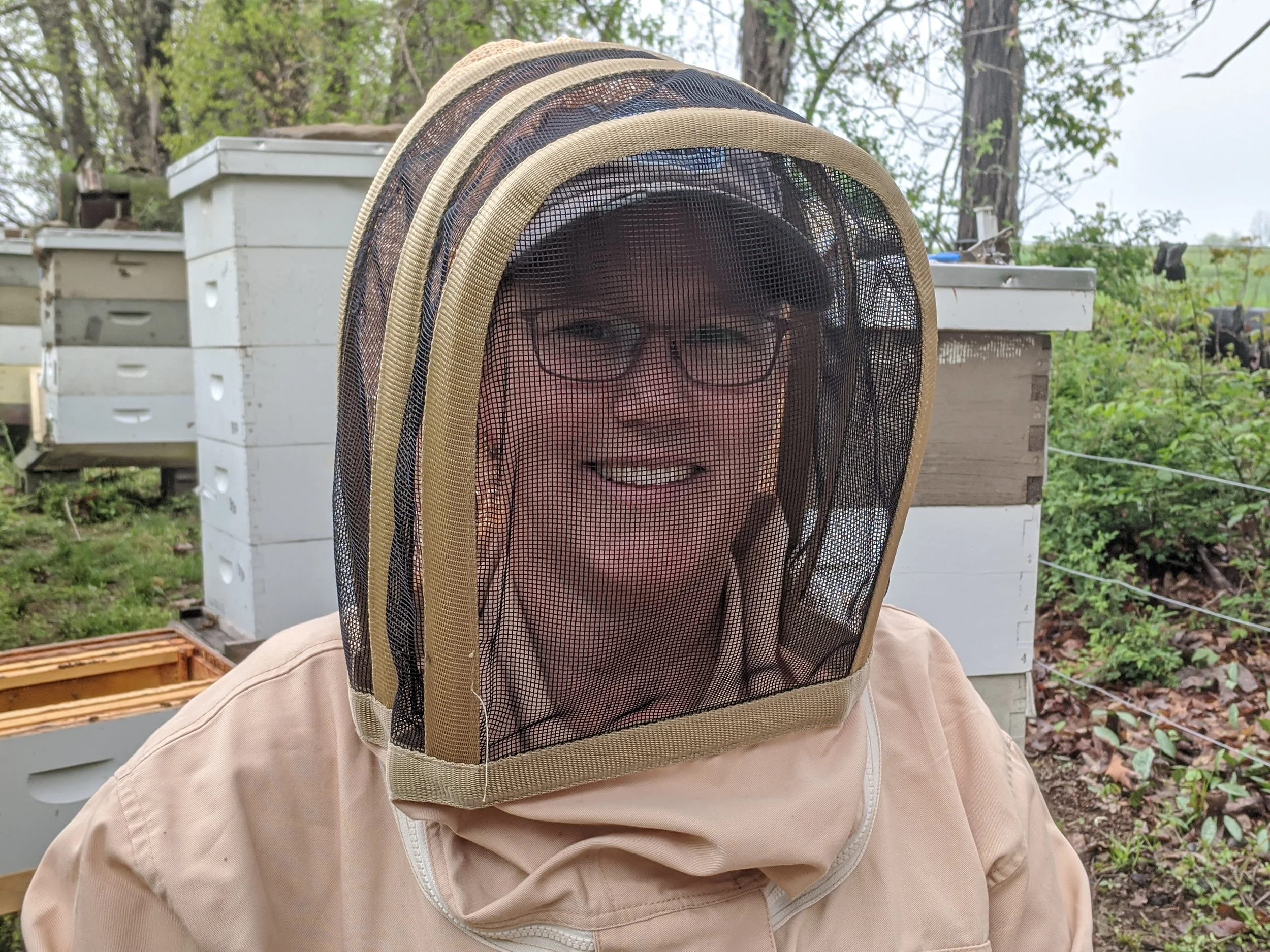
Robyn Underwood
Extension Educator - Senior Professional for Penn State UniversityDr. Robyn Underwood is an Extension Educator - Senior Professional for Penn State University. She has over 30 years of experience studying honey bees and is a sideline beekeeper managing over 100 colonies for honey production and research. She conducts scientific research projects to study beekeeper-applied questions and brings the results of the projects to beekeepers through extension products with an aim to improve the industry while making beekeeping a more successful venture.
Registering for the
2027 Microscopy Workshops
Click the link below to complete the Google Form and enter the lottery for our microscopy workshops, featuring 8 different topics and 14 total classes. Entering the lottery is free! You may select as many workshops as you’re interested in attending and request 1 or 2 tickets per class for small groups, such as couples who would like to attend together. Each class has 20 seats available, and selected participants will pay $90 per ticket.
Once the lottery is complete, selected participants will receive an email with a link to purchase their workshop tickets. You will have 7 days to complete your payment. If payment is not received within 7 days, your spot will be forfeited, and a new name will be drawn to fill the available seat(s).
Please note: You may enter the lottery for as many workshops as you’d like, but each individual may attend only one workshop at NAHBE 2027. Workshop tickets are non-transferable and are valid only for the individual(s) they were purchased for.
If you need to cancel your workshop ticket, you may do so through December 1, 2026, for a $15 cancellation fee per ticket.
Once all seats have been filled and tickets sold, we will notify everyone who entered the lottery of the final results.
Lottery entry will close on November 7th, 2026.