2026 North American Honey Bee Expo
Video Library

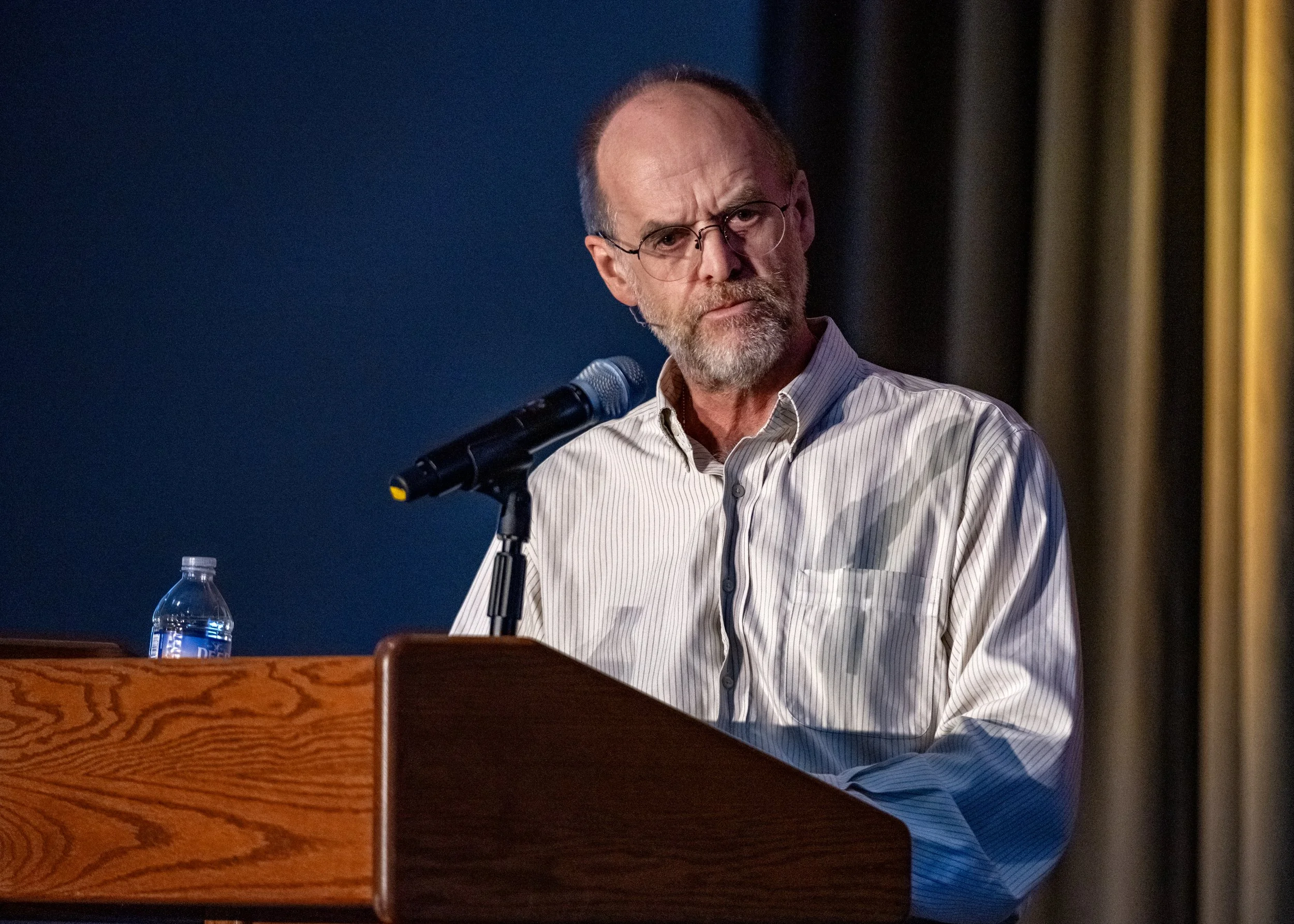
In this presentation you can learn about the chemical-free mite control techniques Adrian has been using and gathering since 2008. His approach is manipulation based. He offers his methods as a stand-alone system for northern beekeepers who wish to keep bees without chemicals, or as supplemental tools for those beekeepers who use chemical treatments, but would like to use fewer of them.
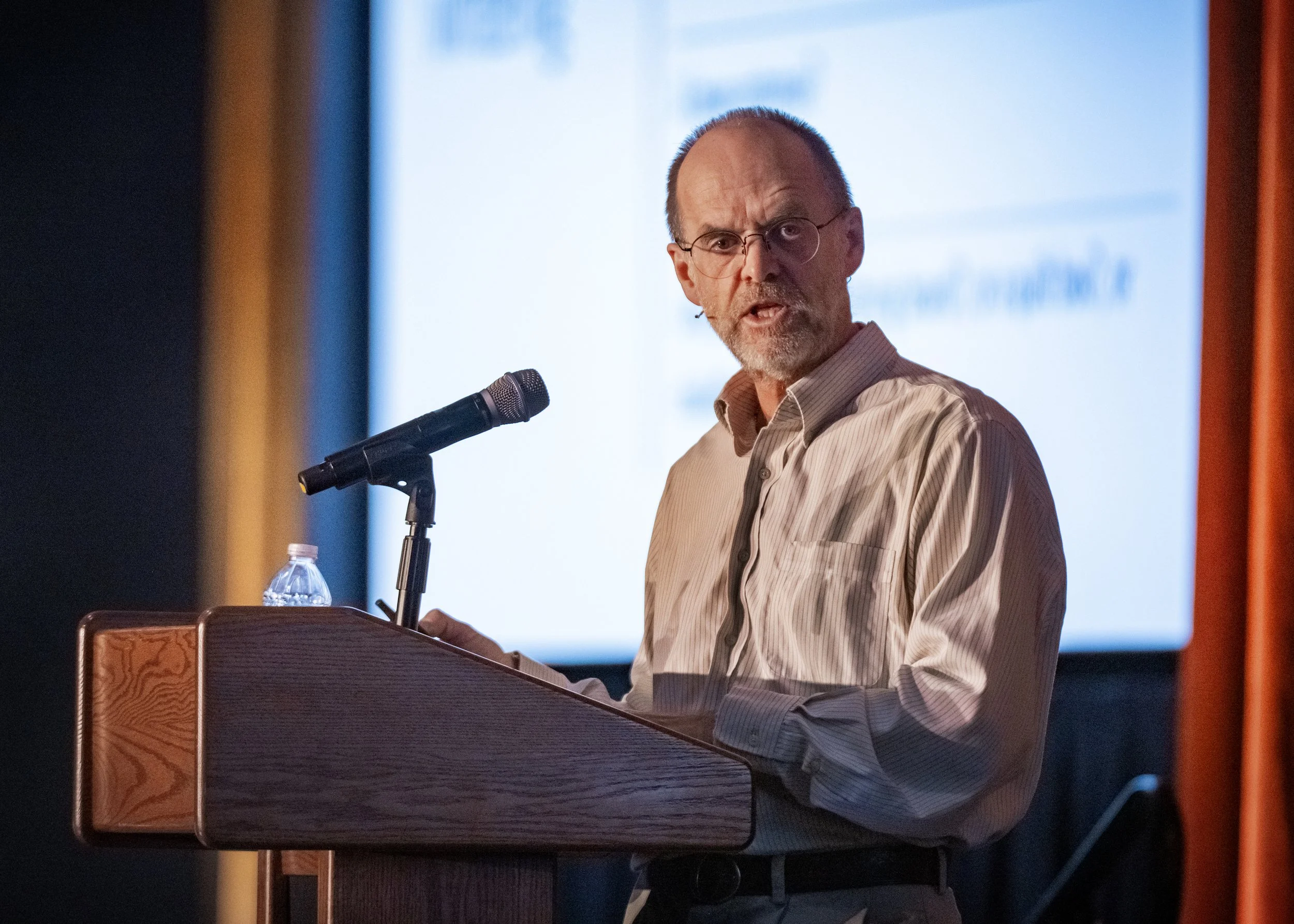
Wintering systems are one of the most debated and confusing things we talk about as Northern beekeepers. This wide ranging presentation covers some wintering theory, history, and experiments, and describes the system that Adrian has settled on.
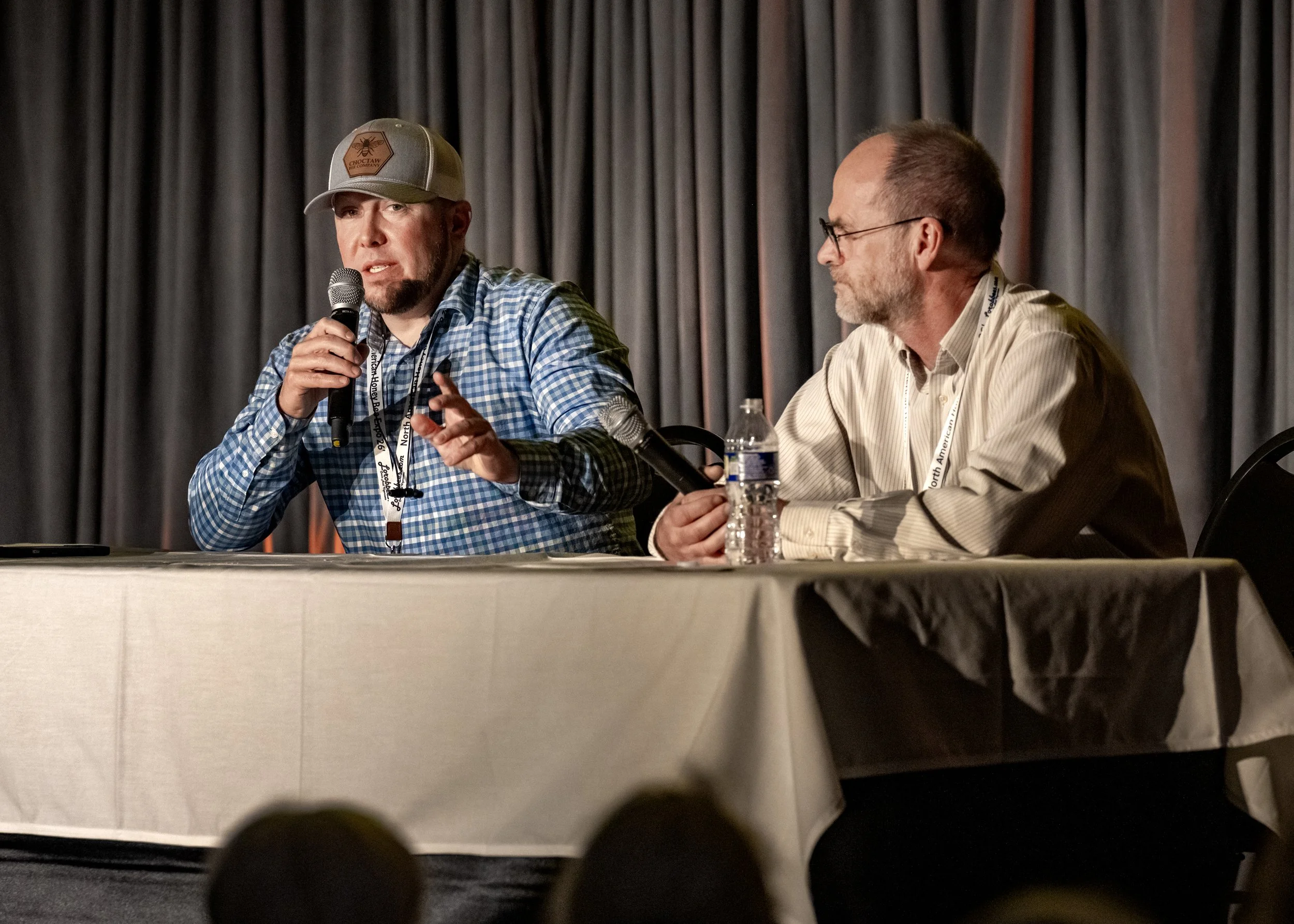
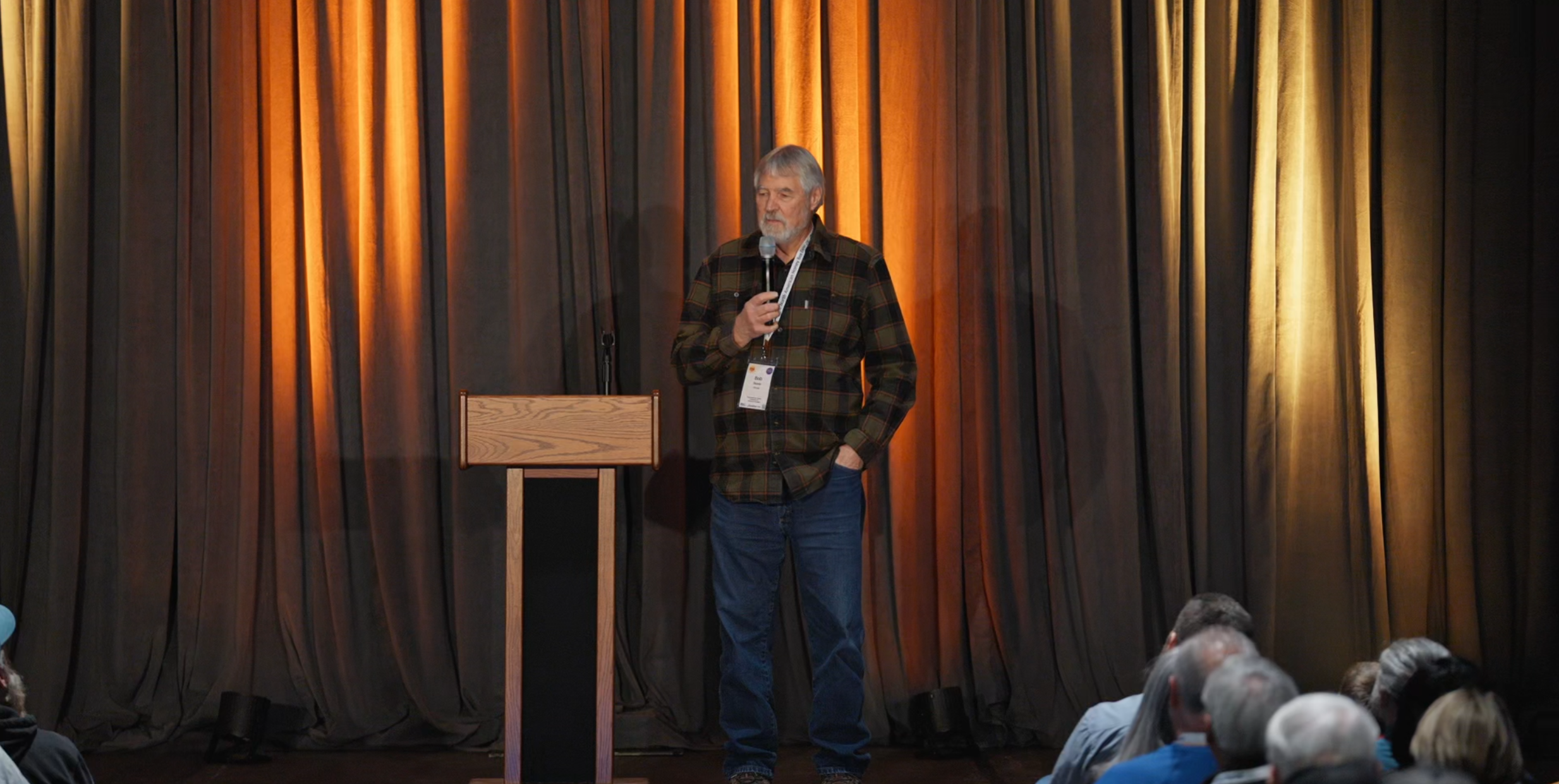
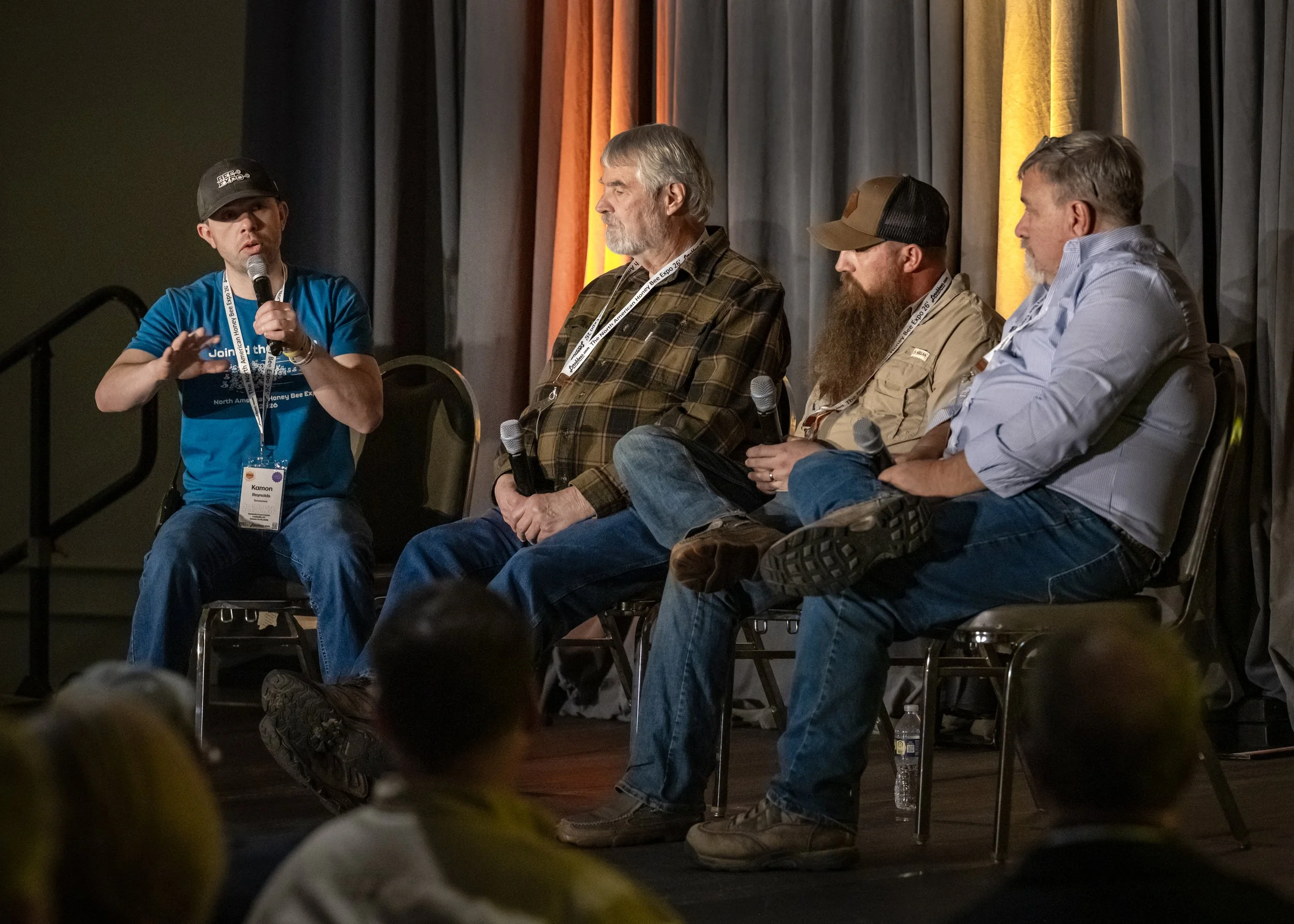
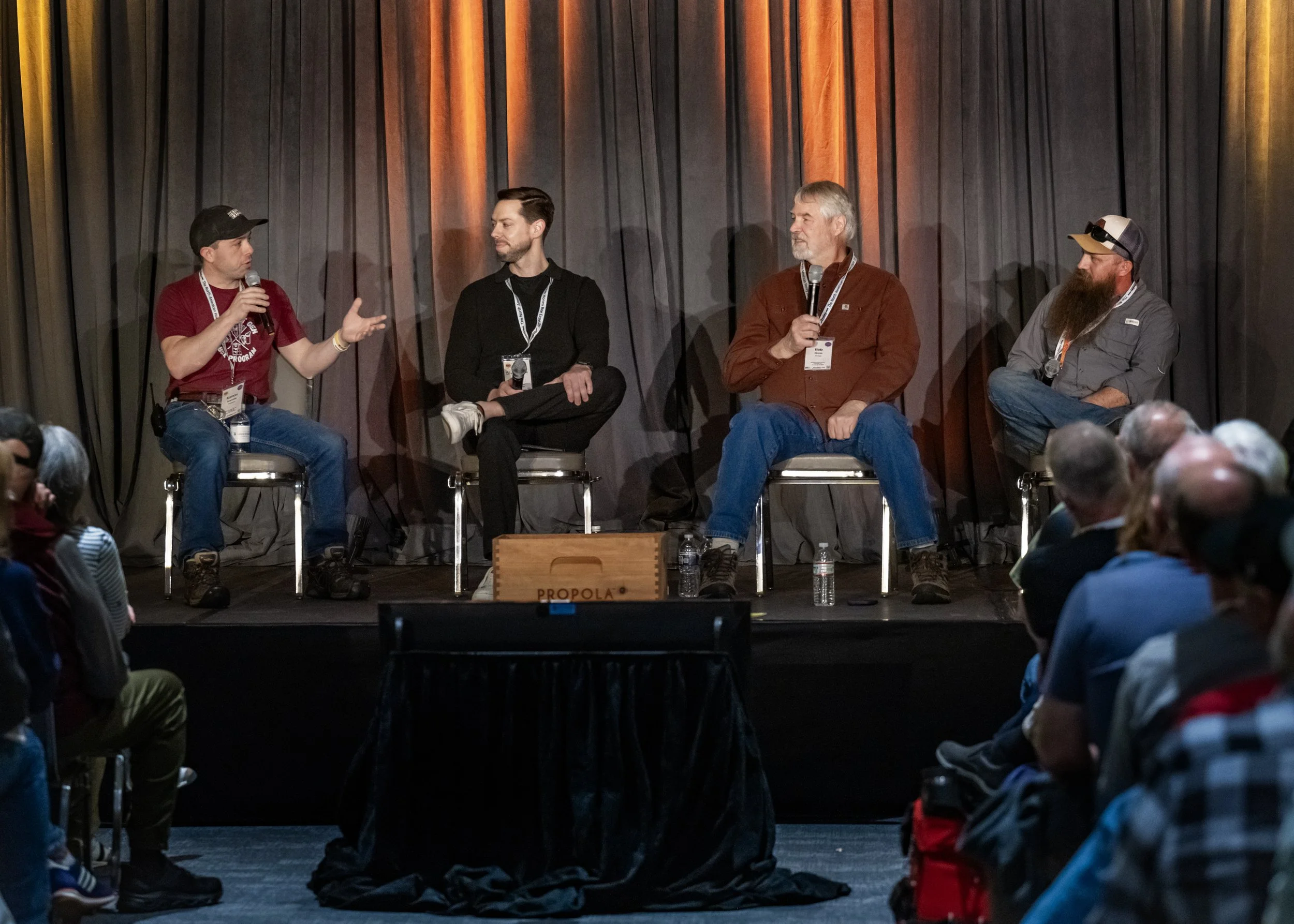
Join Kamon, Bob, and Blake for an open, roundtable-style Q&A session where you help guide the conversation. Bring your questions, share your experiences, and dive into meaningful discussion with three of the industry’s most knowledgeable voices. This interactive format is designed to spark insight, conversation, and community.
From installing bees to overwintering and everything in between, learn the tools and tips of the trade for year-round colony management. You will also learn how to make an all-in-one “honey decrystalizing cabinet, bees wax renderer, and candle warming cabinet”. How to make a power fume box, a super sterilizer to sterilize bee boxes and frames (also useful for rendering beeswax), as well as how to make a 55-gallon sugar syrup mixer. This talk is great for beekeepers of all levels.
While this is not an introductory beekeeping class, it is suitable for new beekeepers as well as those with years of experience. I will cover the condensing hive management system in detail, as well as offer tips and advice for successful year-round beekeeping, including feeding, treating, and swarm management. Getting your bees ready for winter starts in January!
Propolis is an integral structural component of honey bee colonies that is made of plant resins and wax that allow bees to regulate temperature, humidity, airflow and hive entry. Molecules in the plant resins that make up propolis have antimicrobial properties and honey bee colonies increase propolis foraging when challenged with pathogens, thus functioning in social immunity.
Pheromones and Queen "Includers" help sort them out and inspire residency.
(This presentation is for all experience levels and covers a variety of techniques and hive configurations.)
This muti-faceted presentation will explore the historical relationship between nucs and package bee production in the United States. Delve into the pros and cons of each. Showcase the cost considerations for nuc production from the small to large scale. And explain several methods of nuc making utilized by commercial beekeepers that anyone can try. Are nucs the better investment these days?
This talk will present findings from Korea (Tropilaelaps) and the US (Varroa) on efforts to control these mites during package bee shipments. Mites do move in package bees and packages are shipped worldwide and thus pose a threat of spreading mites to new areas.
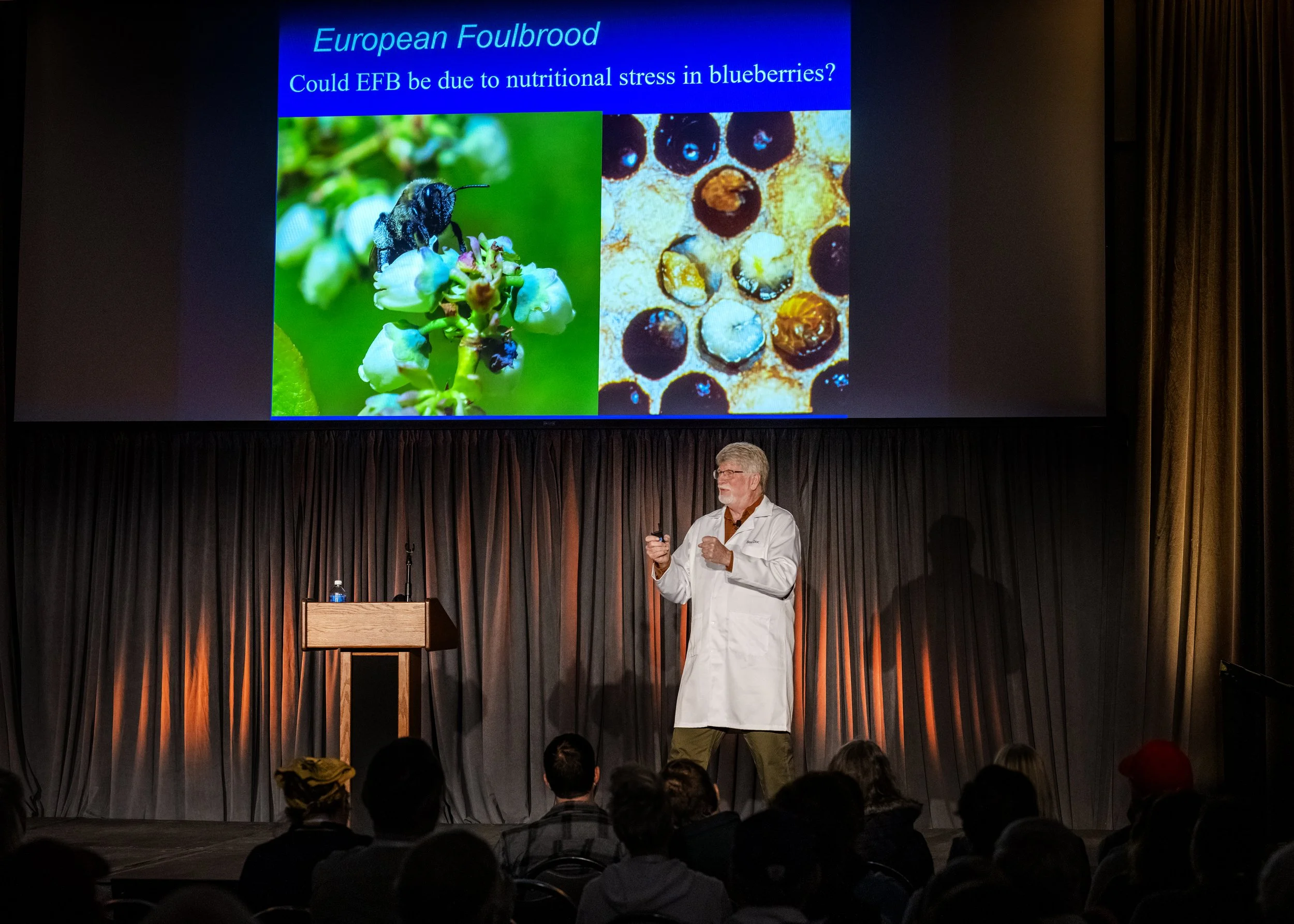
European Foulbrood (EFB) has been around for decades but has recenlty been on the rise. It was formally considered a stress disease that would clear up; now it is persisting and weaking colonies. This talk will explore possible reasons for the increased prevalence of EFB. Additionally, this talk will present recent findings from the testing of ApiVera, a weak oxidant, that acts against mircobes in the hive, has shown activity aginst Varroa and may improve colony health and survival.
This forum is an open discussion on the threat that Tropilaelaps mites pose to new areas of the world, including the US. These mites have recently been found in Europe and are indeed spreading to new areas. Experts will discuss the current knowledge on detection and control of Tropilaelaps and explain why you should care and what beekeepers in others areas of the world do to control Tropilaelaps.
Kevin shares his knowledge of the art and science of creamed honey, from selecting the right honey varieties to understanding crystallization and mastering the tools and techniques that yield smooth, consistent results.
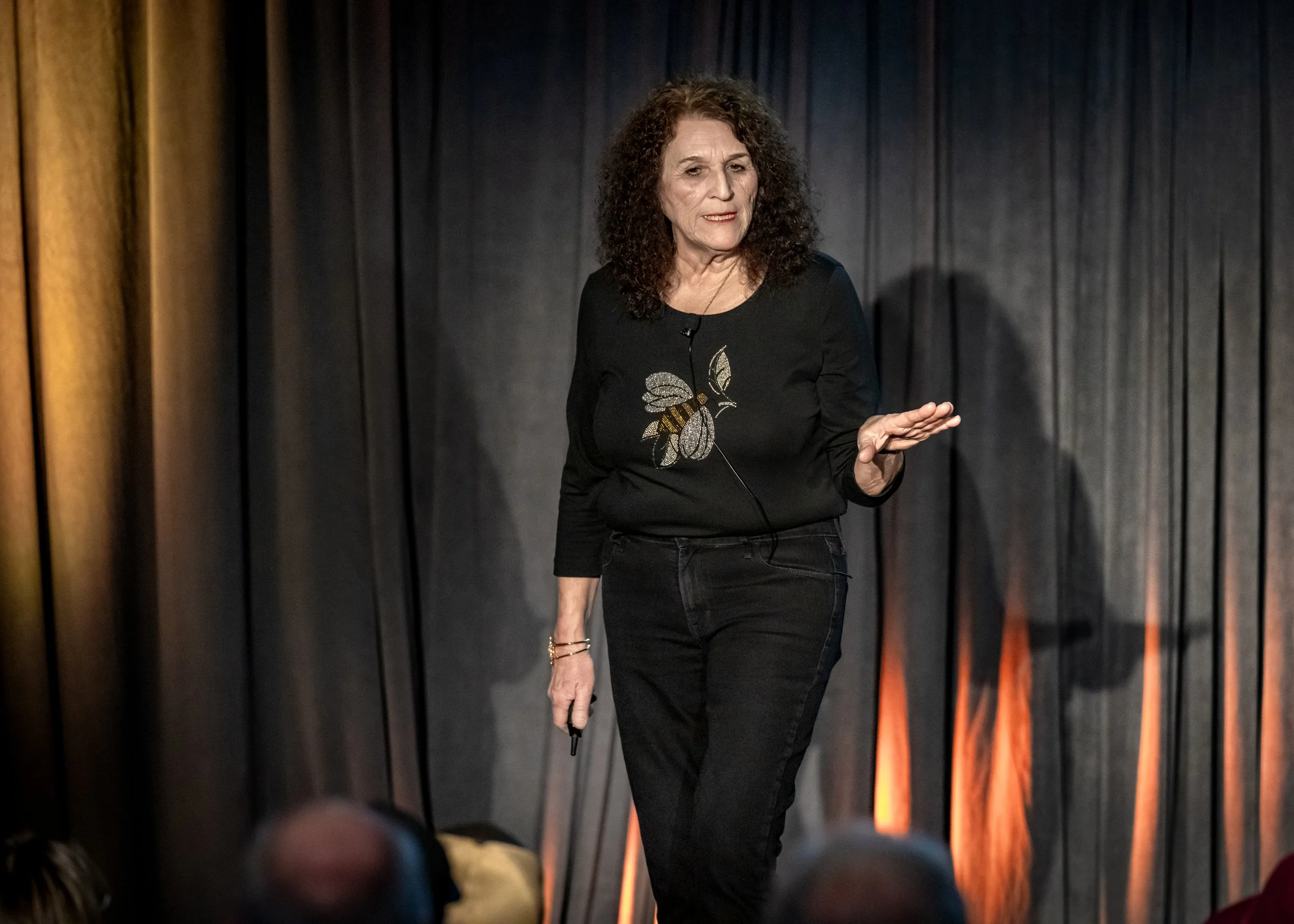
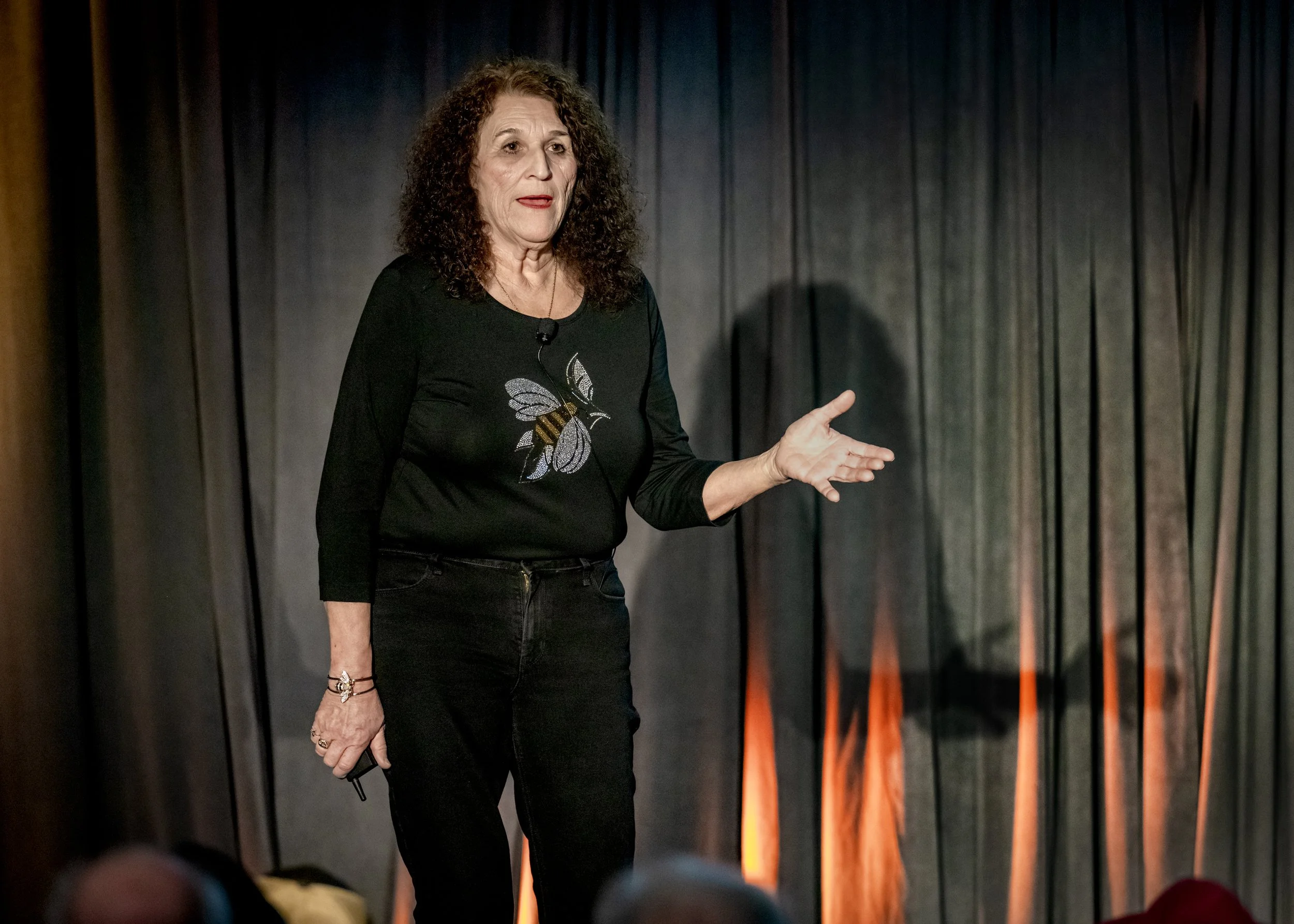
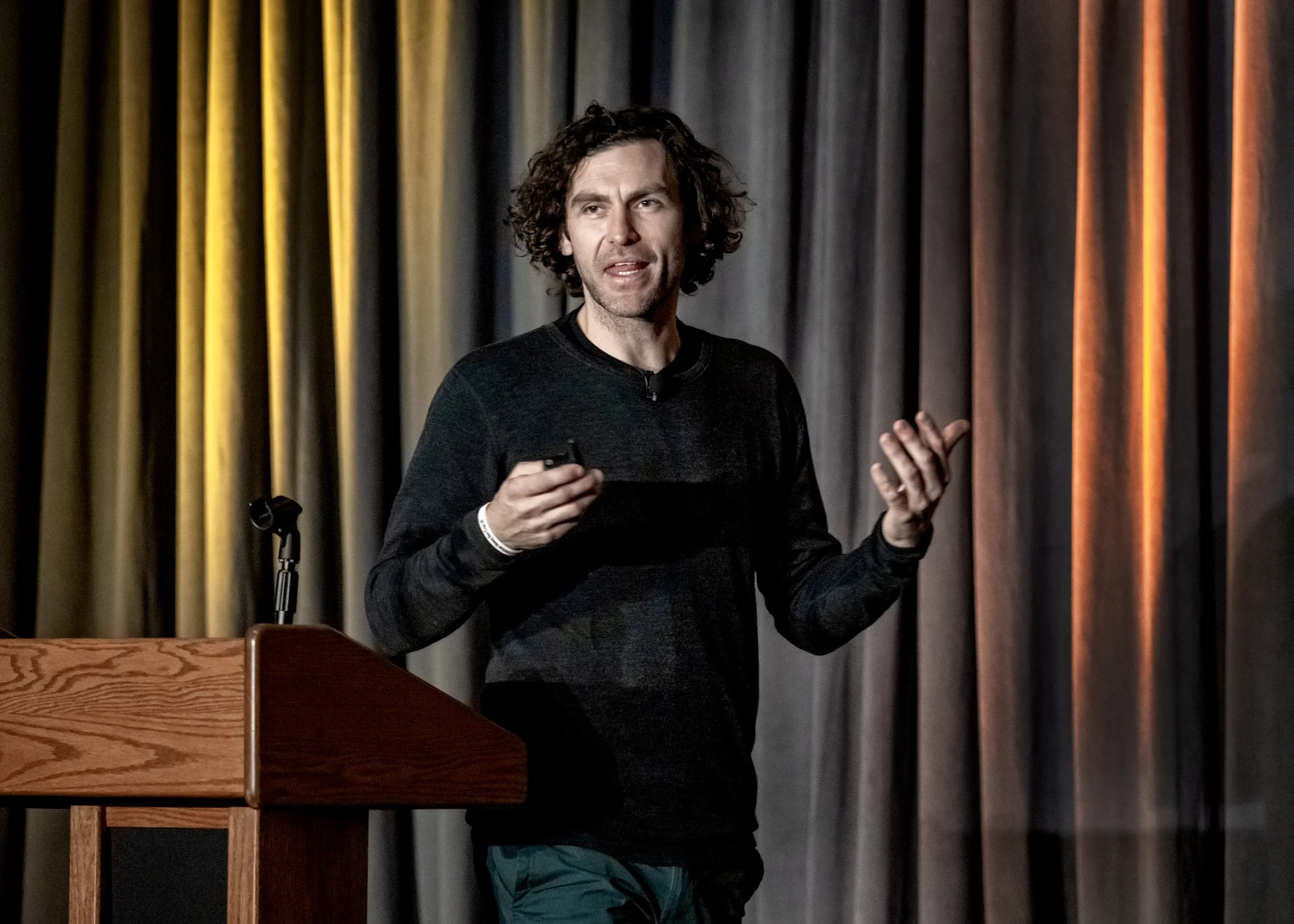
Discover the practical strategies that let you produce more honey from the colonies you already have. This session breaks down the simple changes in timing, nutrition, hive setup and swarm management that unlock far greater yields without adding extra hives. If you want more honey with less workload, this presentation shows the smarter, more efficient way to get there.
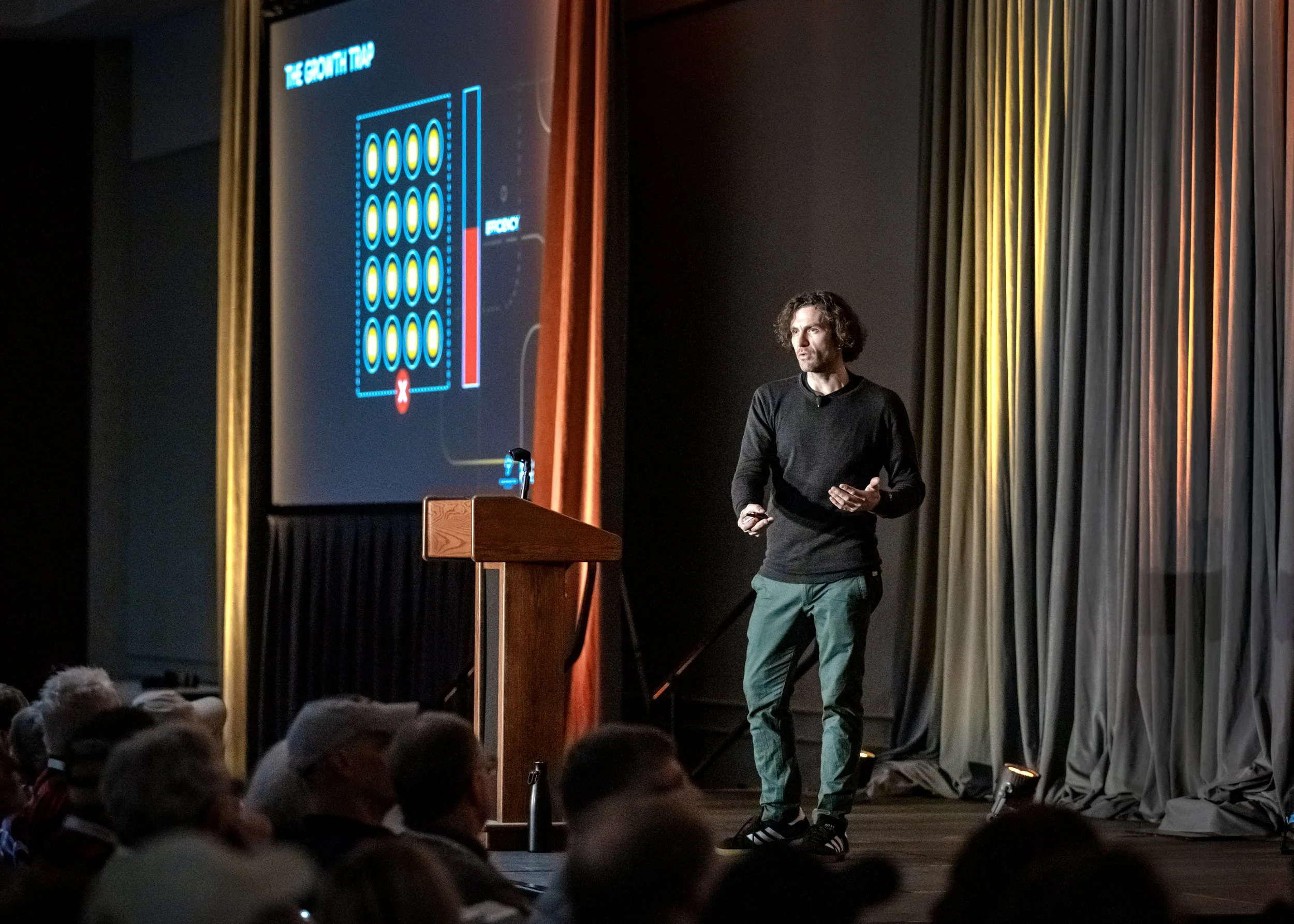
Learn how to turn simple, authentic content into meaningful visibility and real sales. This session shows you how to use social platforms with purpose, build trust through storytelling, and create a steady flow of customers who already feel connected to your brand. If you want to grow your online presence without feeling overwhelmed, this presentation gives you a clear, actionable path forward.
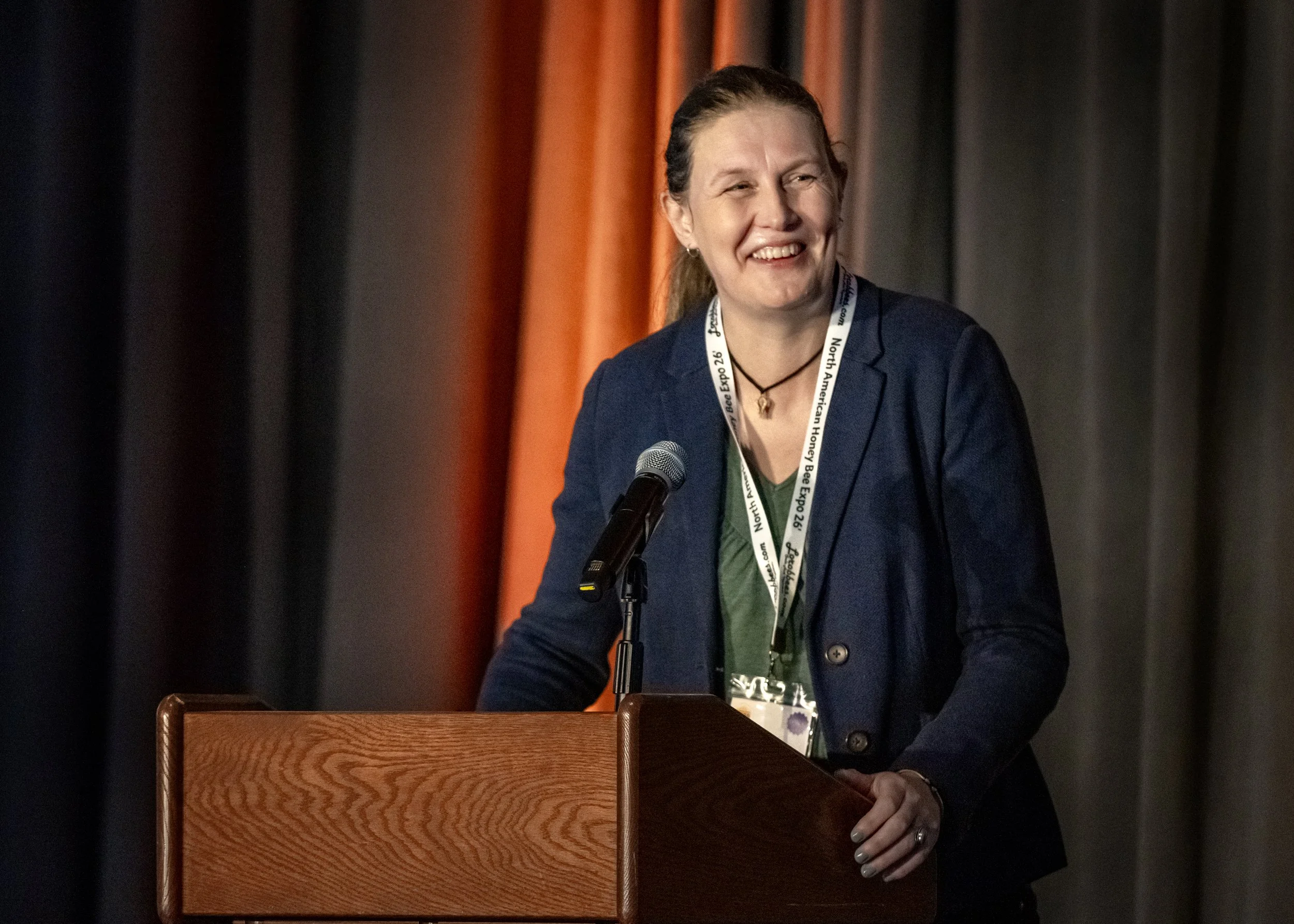
Discover the intricate details of their biology, behaviour, and distribution, and understand why they are becoming such a threat to beekeeping. Stay informed with the latest research from Thailand and Georgia, where Maggie and her team have been unravelling the complex biology and behaviour of Tropilaelaps. Find out what you can do to help safeguard your bees and the United States from the threat of Tropilaelaps.
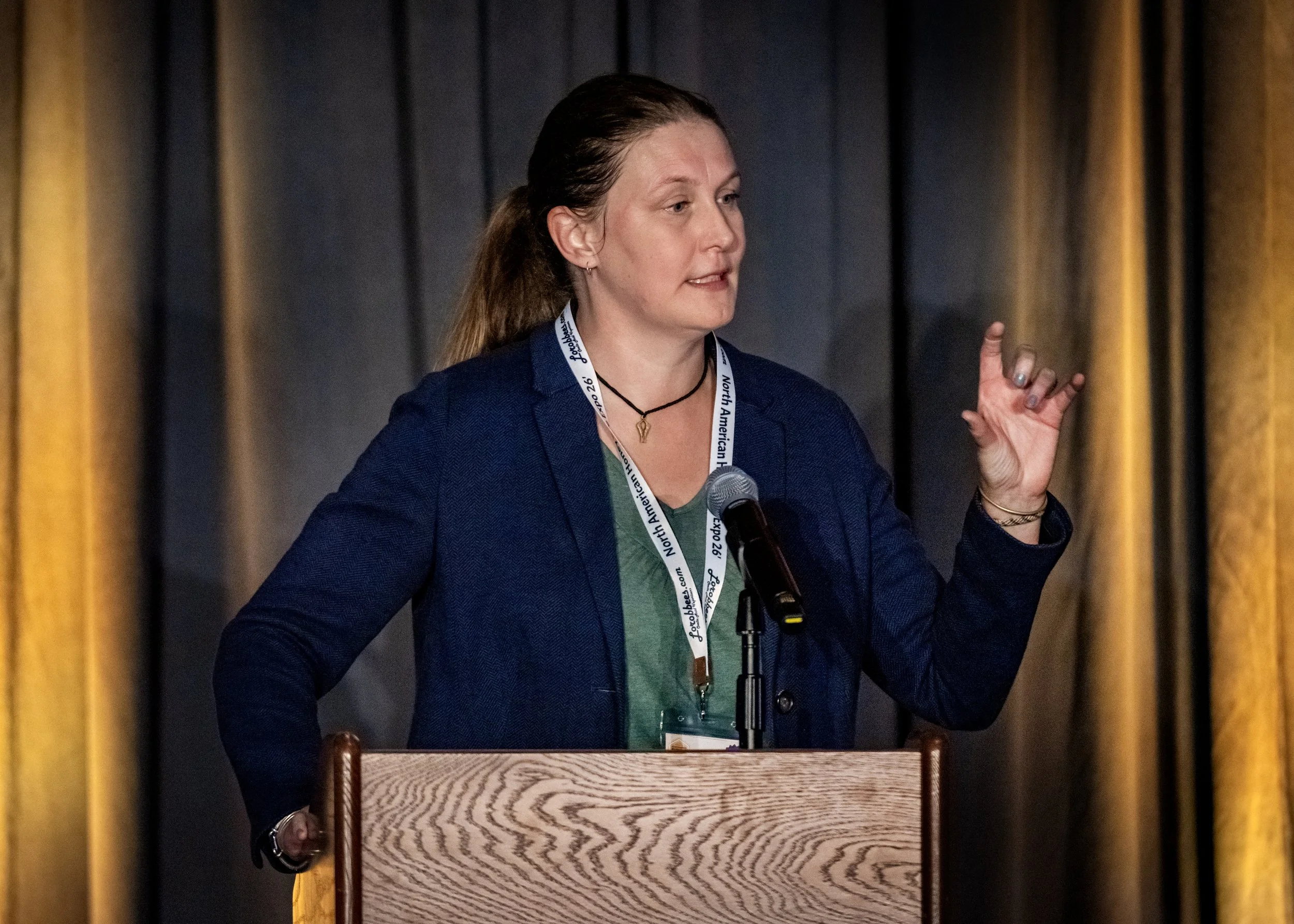
This lecture explores what we now know about how Tropilaelaps spreads, why it can survive winters far from the tropics, and what the newest research reveals about effective control options. Whether you’re a beekeeper or simply curious about honey bee health, join us to learn about one of the most important emerging threats to bees worldwide.
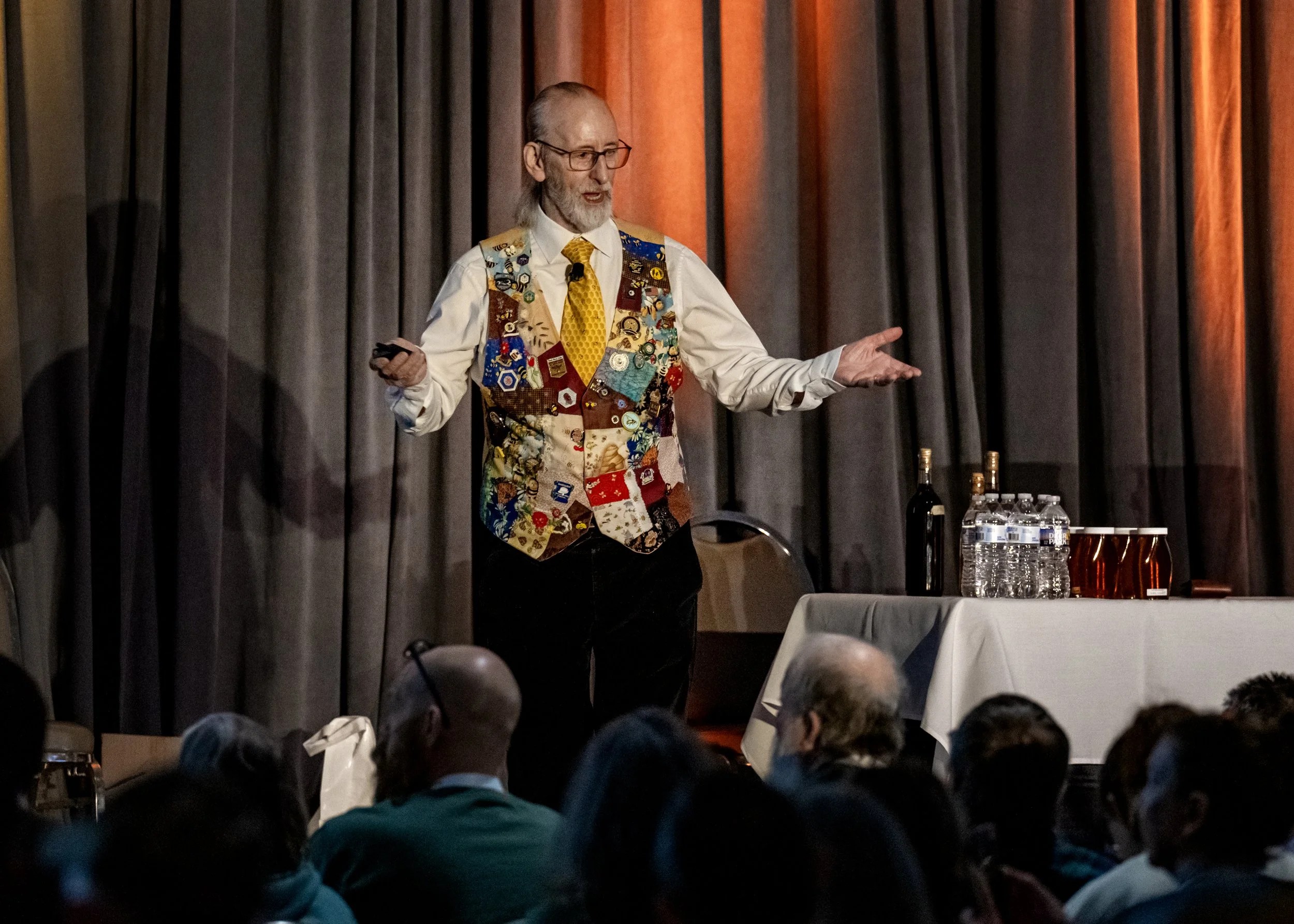
Here, we begin with the basics—what mead is, how it’s made, and why it matters. But more than that, we begin with wonder.
This chapter opens the door to that world. It invites the listener to taste not just a drink, but a story: of bees and blossoms, of fermentation and firelight, of craft and community. Whether drawn by curiosity or devotion. Come and watch how you can make Mead in 10 minutes.
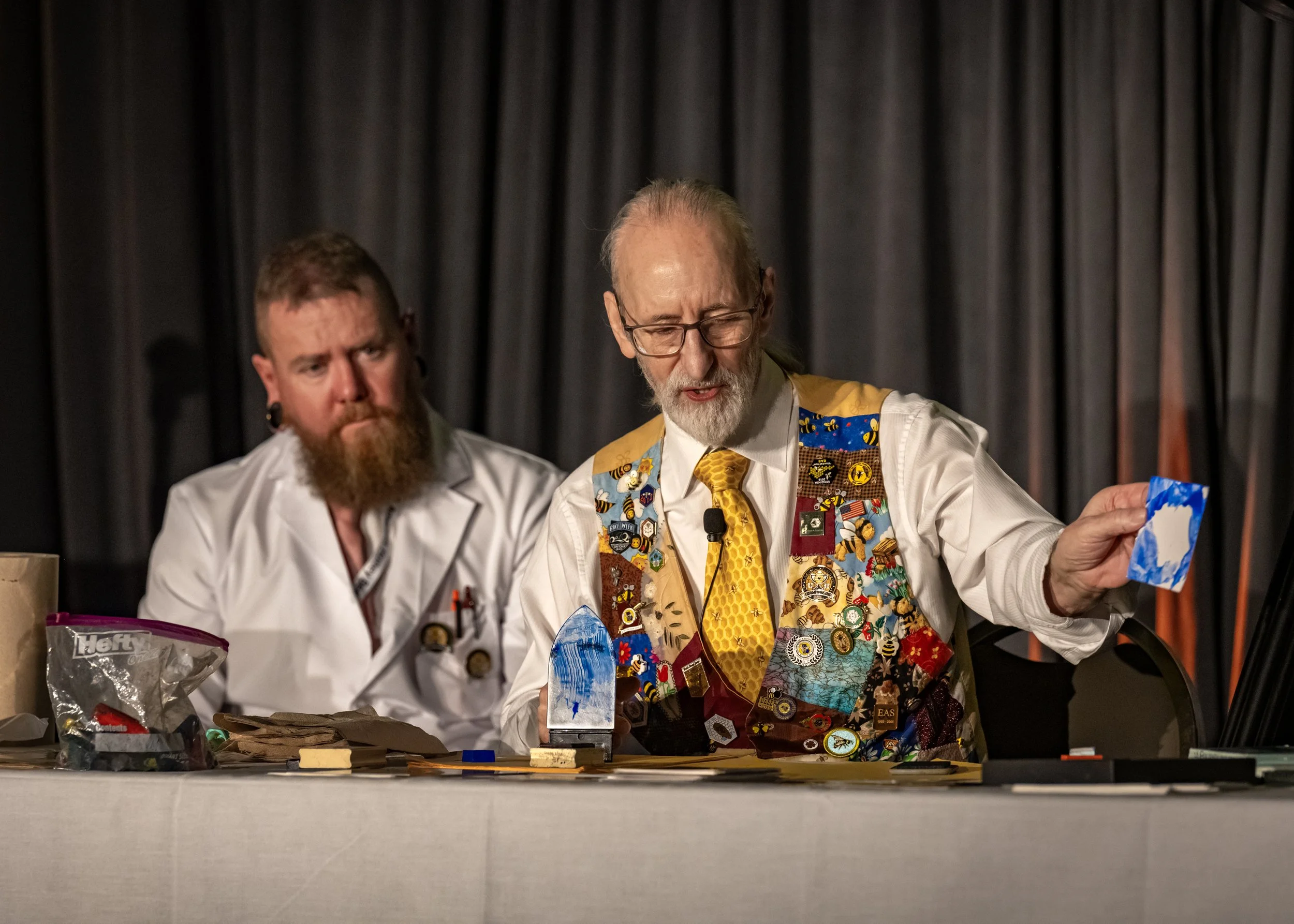
It will be a pleasure to welcome you to today’s talk, where we’ll be diving into one of the most luminous and enduring art forms in history—Encaustic Painting. With roots stretching back to ancient Greece and Egypt, this technique—using heated beeswax mixed with pigment—has captivated artists and viewers alike for centuries. Its rich textures, radiant surfaces, and remarkable durability make it not only a feast for the eyes but a testament to the timeless bond between artistry and craftsmanship.
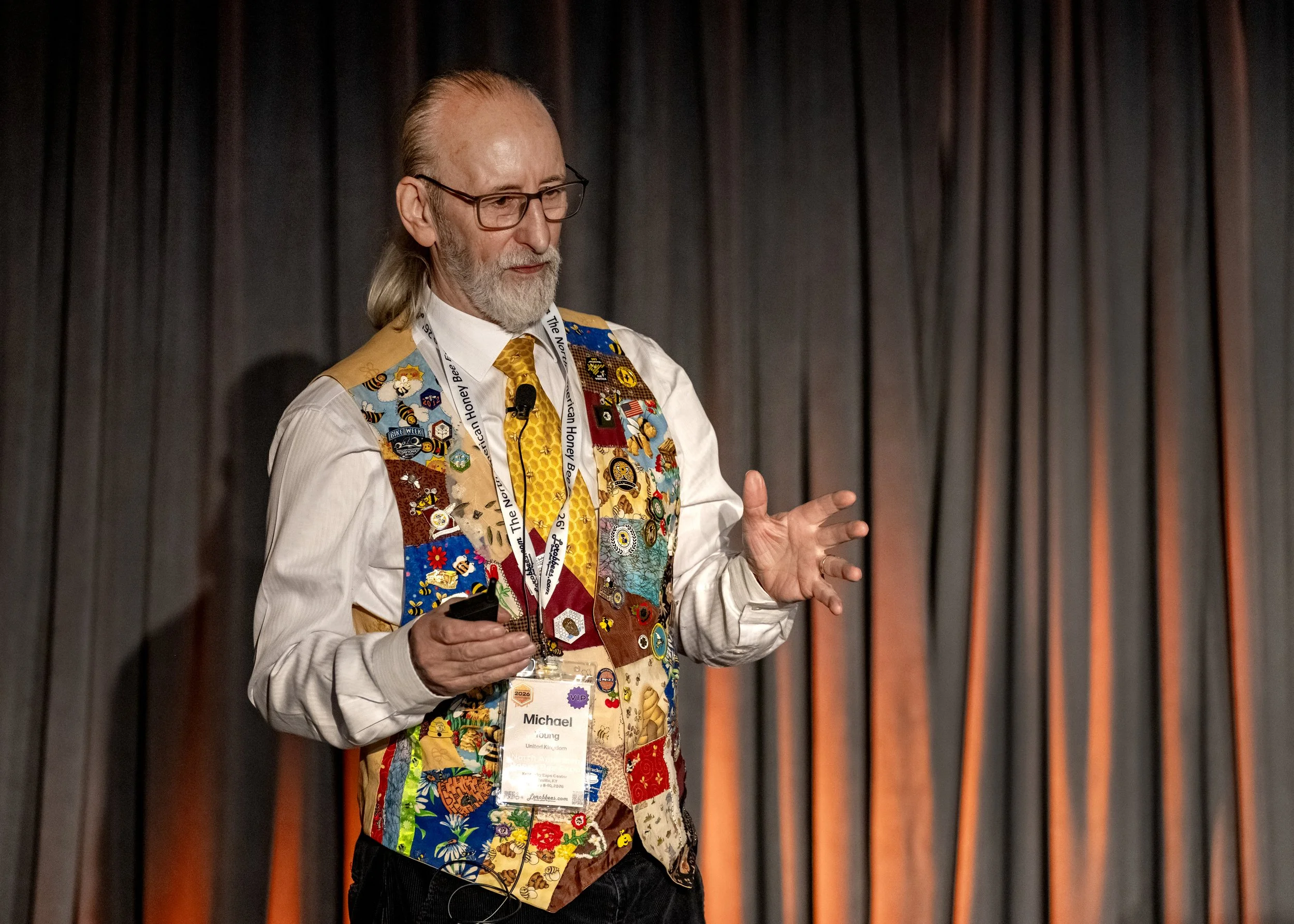
Varroa destructor, the parasitic mite that threatens honey bee colonies worldwide, has spurred beekeepers to seek sustainable, low-impact treatments. Among these, essential oils—such as thymol, eucalyptol, Tree tea, and menthol—offer a promising alternative to synthetic miticides. Derived from aromatic plants, these oils can disrupt mite physiology, reduce viral transmission, and support overall hive vitality when used correctly.
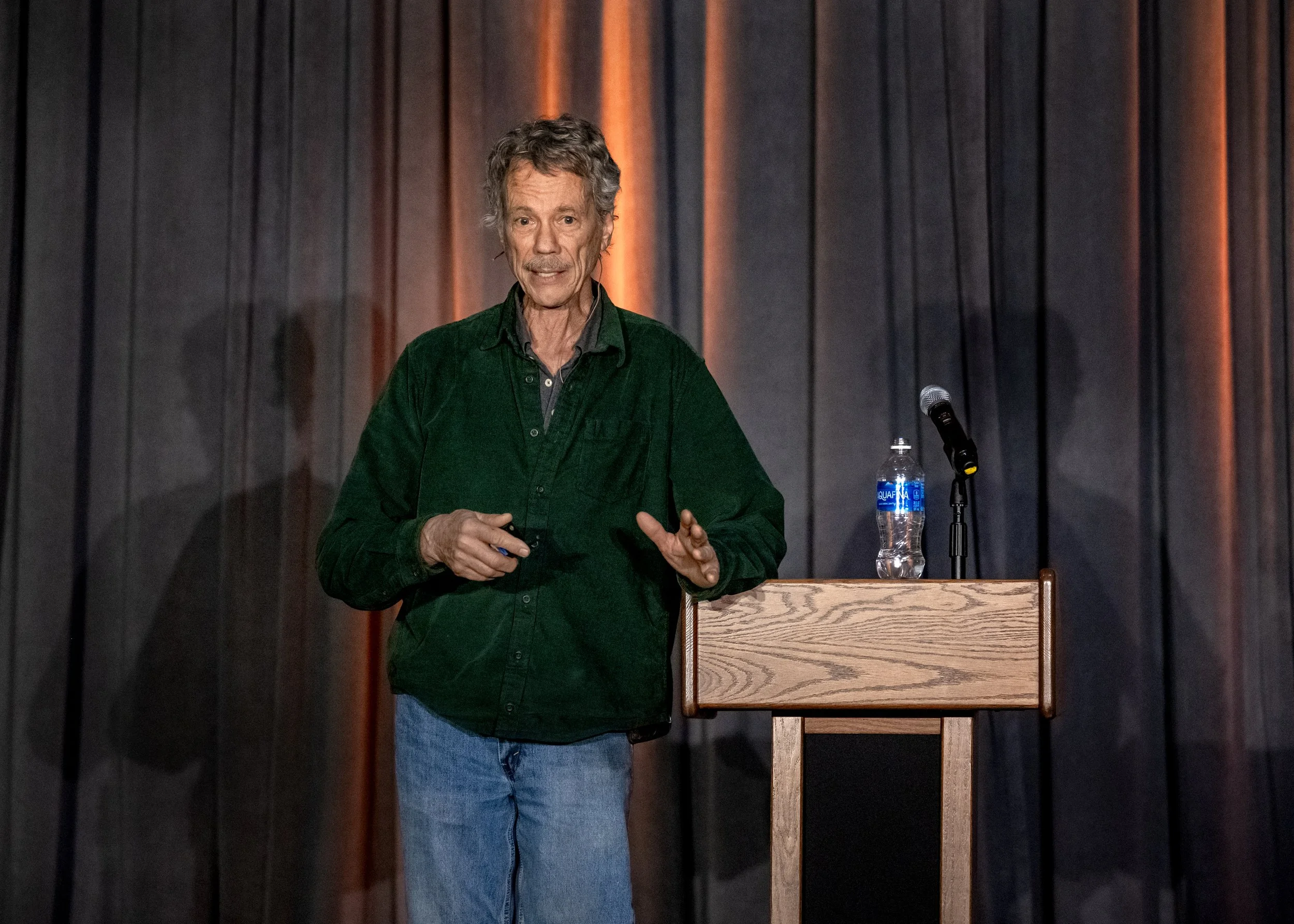
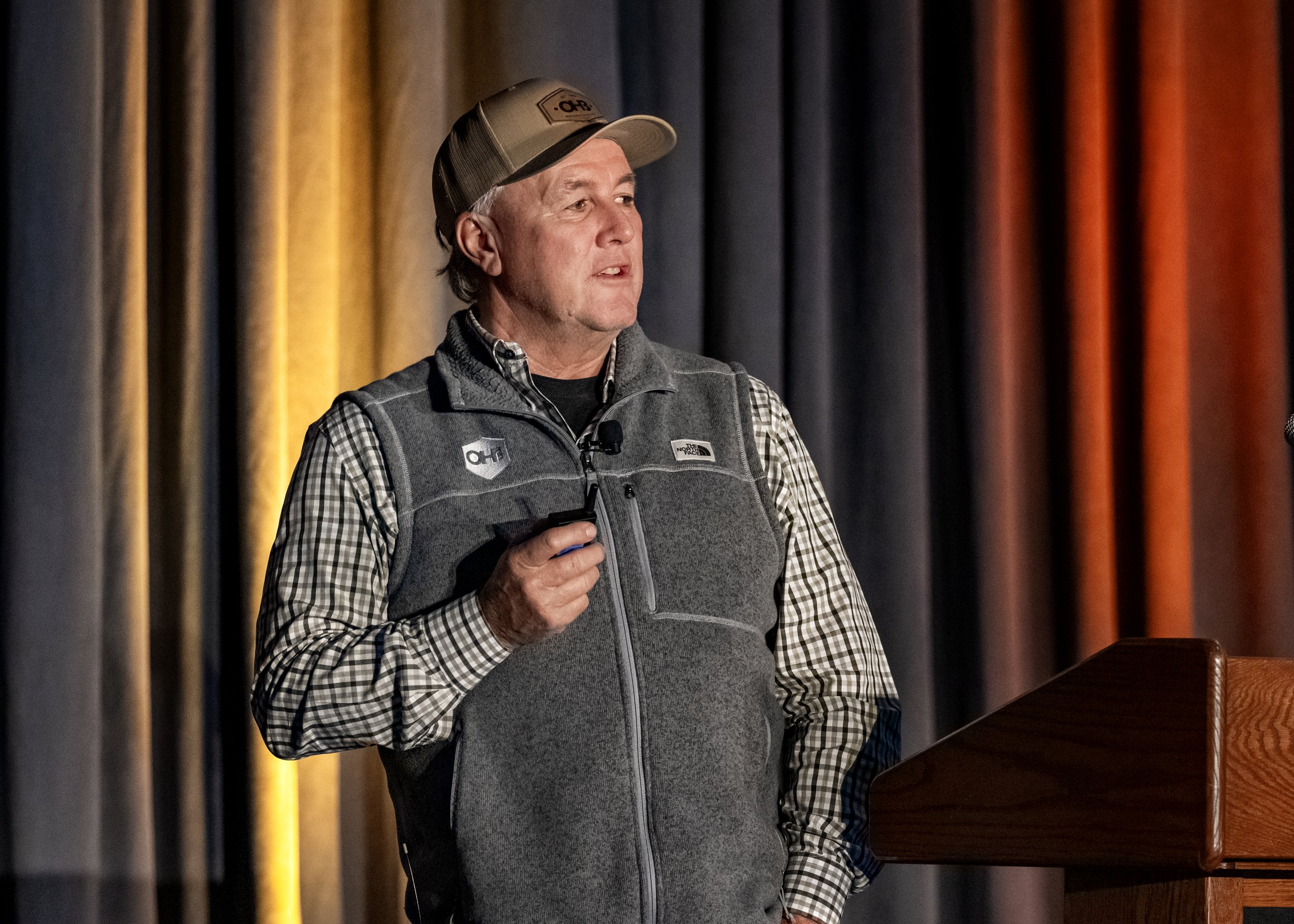
Join Ray for a narrated slideshow that takes you through OHB’s full beekeeping calendar, showcasing four decades of experience. Follow the journey from Almond Pollination to Queen Production, Package Bee season, and Montana honey production. This presentation also includes an inside look at queen and honey production on the Island of Hawaii, home of Big Island Queens.
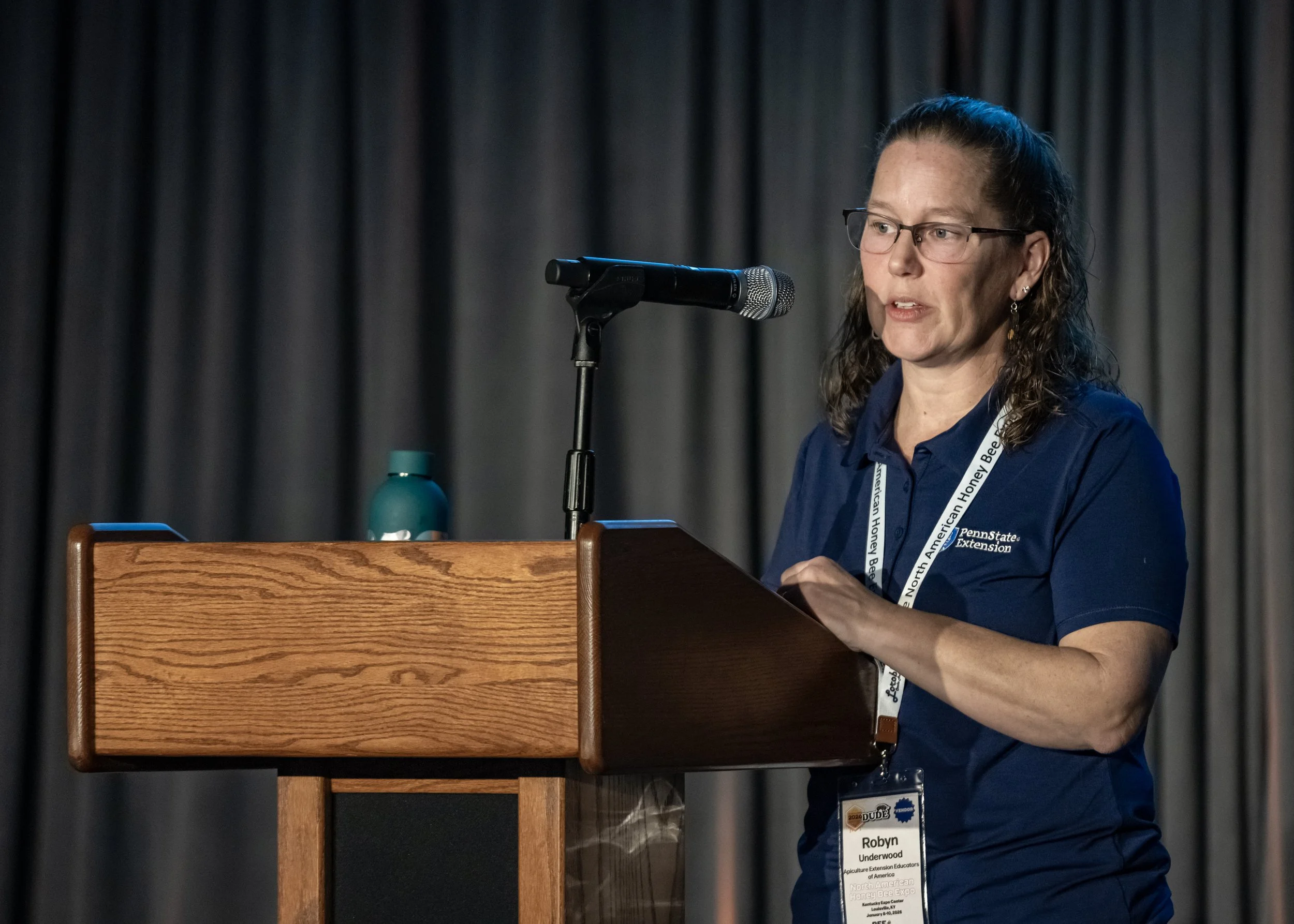
Even though the requirements to become a USDA certified organic beekeeping operation are exceedingly difficult to satisfy in the United States, you can still have an organic honey bee colony management system. Research shows that an organic management system leads to the healthiest bees and the highest profits. So, come learn how to use organic-approved integrated pest management (IPM) while avoiding the use of synthetic chemicals and antibiotics. Your bees will thank you.
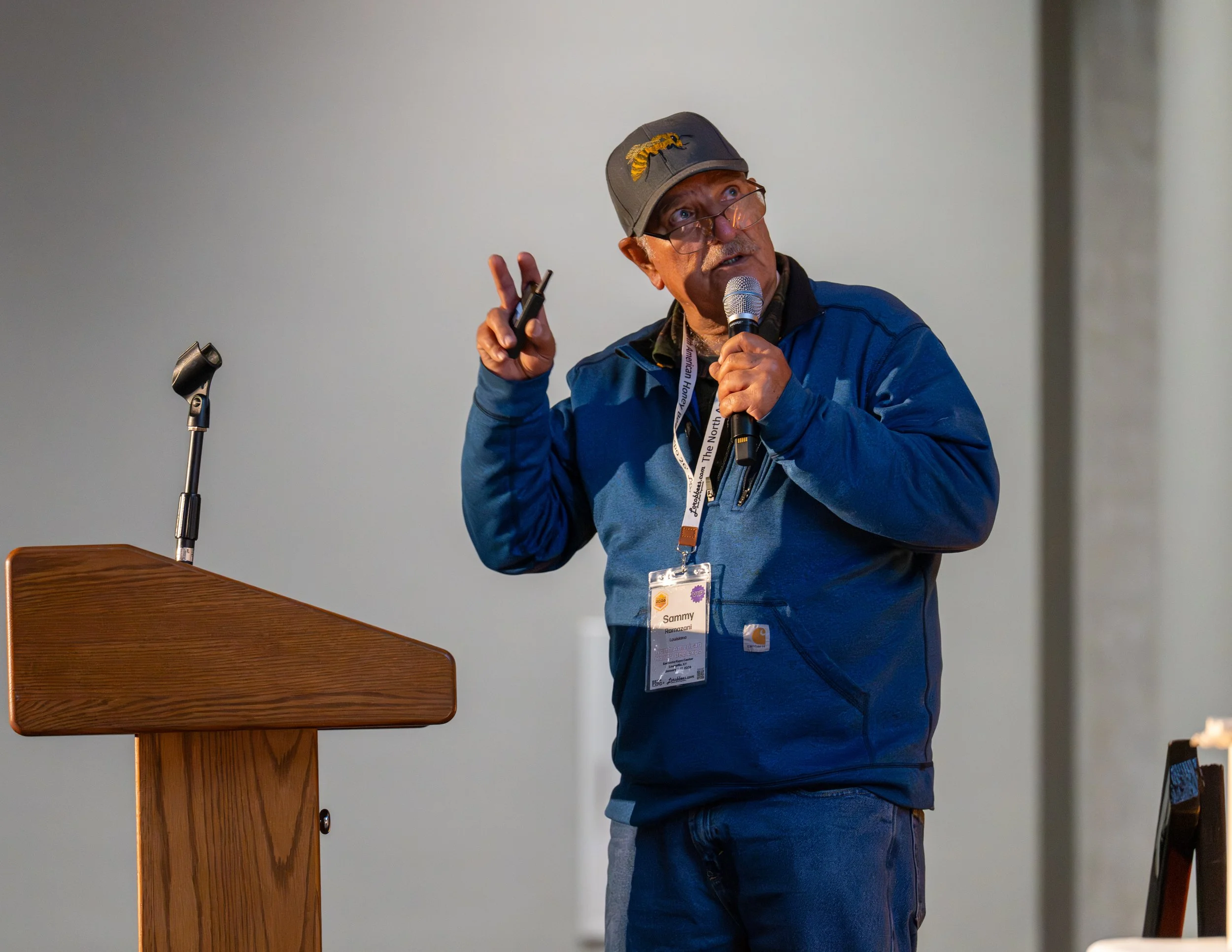
This talk is about how plants, landscape design, and nutrition work together to support healthy honeybee colonies. It covers the journey from pollen to queen bee, including bee bread, brood development, and the importance of both nectar and pollen in a colony’s diet. Topics also include soil pH and plant selection, clean water as a critical resource, supplemental feeding strategies for different seasons, and recognizing signs of colony starvation.